HVAC & FACILITY MANAGEMENT
How HVAC Performance Impacts Facility Operating Costs
Heating, Ventilation and Air Conditioning (HVAC) systems play an essential role in maintaining comfortable, safe and productive facility environments. At the same time, HVAC systems can represent a significant part of a facility's energy consumption and operating expenses.
The performance and condition of HVAC equipment directly influence energy efficiency, maintenance requirements, equipment reliability and overall operating costs. Proper system management and regular maintenance can help facilities improve performance while controlling avoidable operational expenses.
Why HVAC Performance Matters
HVAC systems often operate for long periods and support critical areas of commercial, industrial and institutional facilities. When systems are properly maintained and operating efficiently, they can provide the required environmental conditions without excessive energy use.
Poor HVAC performance can result from equipment wear, blocked filters, incorrect settings, refrigerant-related issues, airflow restrictions, inefficient components or inadequate maintenance. These conditions can increase energy consumption and place additional stress on equipment.
- Increased energy consumption
- Higher utility expenses
- More frequent equipment breakdowns
- Increased maintenance requirements
- Reduced equipment efficiency
- Shorter equipment operating life
- Uncomfortable indoor conditions
HVAC Efficiency and Energy Costs
HVAC equipment requires significant energy to operate, particularly in facilities with large conditioned areas or extended operating hours. When equipment becomes inefficient, it may need to operate for longer periods or work harder to achieve the required temperature and environmental conditions.
Maintaining clean filters, efficient heat transfer, appropriate airflow and properly functioning controls can help HVAC systems operate more effectively and reduce unnecessary energy consumption.
- Regular filter inspection and replacement
- Coil cleaning and inspection
- Fan and motor performance checks
- Airflow inspection and balancing
- Temperature and pressure monitoring
- Control system inspection
- Regular equipment servicing
How HVAC Maintenance Helps Control Costs
Preventive HVAC maintenance helps identify developing problems before they become major equipment failures. Regular inspections allow maintenance teams to address issues such as worn components, restricted airflow, abnormal operating conditions and equipment deterioration.
Addressing these issues early can help reduce emergency repairs, unexpected downtime and the possibility of more extensive equipment damage.
- Reduces unexpected equipment breakdowns
- Helps control emergency repair costs
- Supports efficient equipment operation
- Improves equipment reliability
- Helps extend equipment service life
- Improves maintenance planning
- Reduces operational interruptions
Equipment Performance and Asset Life
HVAC equipment represents a significant investment for many facilities. Poor maintenance and continuous operation under inefficient conditions can place additional stress on compressors, motors, fans, pumps and other components.
Maintaining equipment according to appropriate service schedules and monitoring its operating condition can help preserve performance and potentially extend the useful operating life of HVAC assets.
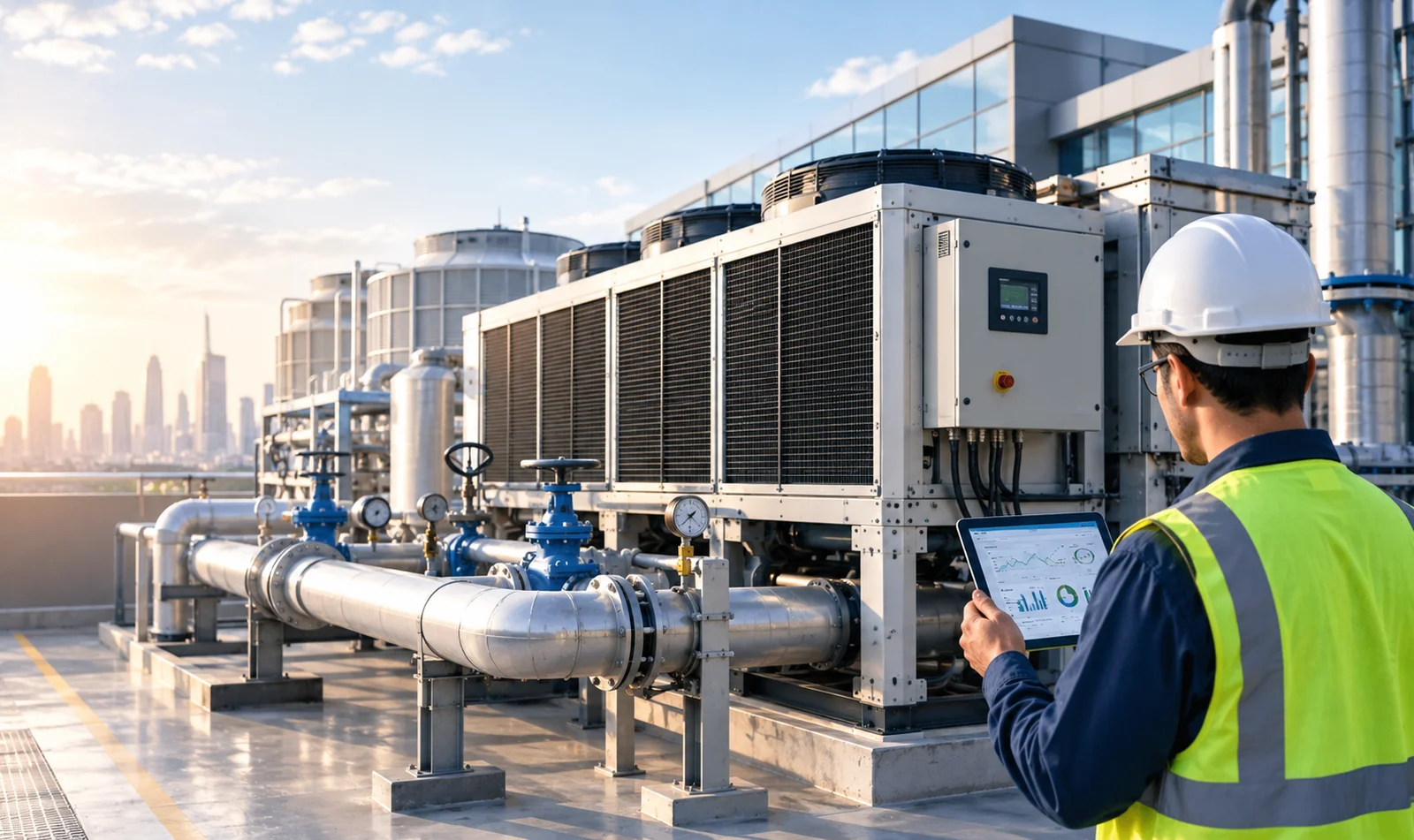
- Chillers and cooling systems
- Air handling units
- Fan coil units
- Ventilation systems
- Cooling towers
- Pumps and motors
- HVAC control systems
- Air distribution systems
HVAC Performance and Overall Facility Operations
HVAC performance affects more than energy consumption. Temperature control, ventilation and indoor environmental conditions can influence occupant comfort, equipment operation and the overall productivity of a facility.
An unreliable HVAC system can result in complaints, operational interruptions and increased demand on facility teams. Maintaining system performance therefore contributes to both operational efficiency and a better facility environment.
- Improved occupant comfort
- More stable indoor environmental conditions
- Reduced operational disruptions
- Better facility reliability
- Improved equipment availability
- More predictable maintenance requirements
Signs That an HVAC System May Be Operating Inefficiently
Facility teams should monitor HVAC systems for changes in performance that may indicate developing problems. Early attention can help prevent minor issues from becoming expensive failures.
- Unexpected increases in energy consumption
- Uneven or inconsistent temperature control
- Unusual equipment noise or vibration
- Reduced airflow
- Frequent equipment cycling
- Repeated equipment breakdowns
- Increasing repair requirements
- Poor ventilation performance
- Equipment taking longer to reach the required conditions
Ways to Improve HVAC Operating Efficiency
Improving HVAC efficiency requires a combination of preventive maintenance, appropriate system operation, performance monitoring and timely corrective action.
- Follow a Preventive Maintenance Plan: Schedule regular inspections, cleaning, servicing and component checks.
- Monitor Equipment Performance: Track operating conditions and identify changes that may indicate developing problems.
- Maintain Airflow: Keep filters, coils, ducts and air distribution components in appropriate operating condition.
- Inspect Controls: Ensure temperature controls, sensors and associated control systems operate correctly.
- Address Faults Early: Investigate unusual noise, vibration, temperature changes or other performance issues promptly.
- Review System Performance: Regularly evaluate HVAC performance and identify opportunities for efficiency improvements.
The Role of PPM in HVAC Cost Management
Planned Preventive Maintenance (PPM) provides a structured approach to maintaining HVAC equipment. Scheduled inspections and servicing help facility teams identify wear, contamination and other issues before they lead to unexpected failures.
A well-managed PPM program can make maintenance requirements more predictable and help facilities plan labour, spare parts and service activities more effectively.
- Scheduled equipment inspections
- Filter and component replacement
- Cleaning and lubrication
- Electrical and mechanical checks
- Performance testing
- Maintenance documentation
Predictive Maintenance for Better HVAC Performance
Predictive Maintenance can complement traditional preventive maintenance by using equipment condition and performance information to identify potential problems. Monitoring parameters such as temperature, vibration, pressure and electrical performance can provide valuable information about equipment condition.
For critical HVAC assets, condition-based monitoring can help maintenance teams make better-informed decisions about when inspection, repair or component replacement may be required.
Better HVAC Performance, Better Cost Control
HVAC performance has a direct impact on facility operating costs through energy consumption, maintenance requirements, equipment reliability and asset life. A poorly maintained system can increase operating expenses, while a properly managed HVAC system can support efficient and reliable facility operations.
By combining preventive maintenance, performance monitoring, timely repairs and appropriate system optimization, facility managers can improve HVAC reliability while maintaining greater control over operating costs.
Keep Your HVAC Systems Performing Efficiently
Professional HVAC maintenance and engineering support can help identify performance issues, reduce avoidable disruptions and maintain critical building systems. A proactive maintenance strategy is an important step toward reliable facility performance and effective operating cost management.