


Plant Room Engineering: The Backbone of Efficient Building Operations
Category: Engineering & Facility Management
Introduction
Plant room engineering plays a crucial role in the safe, efficient, and reliable operation of modern buildings. Plant rooms house essential mechanical, electrical, plumbing, HVAC, and fire protection systems that keep buildings functioning smoothly.
A well-designed and professionally managed plant room can improve equipment performance, reduce energy consumption, simplify maintenance, and extend the service life of critical building systems.
What Is Plant Room Engineering?
Plant room engineering involves the planning, design, installation, commissioning, operation, and maintenance of engineering systems located within dedicated plant rooms.
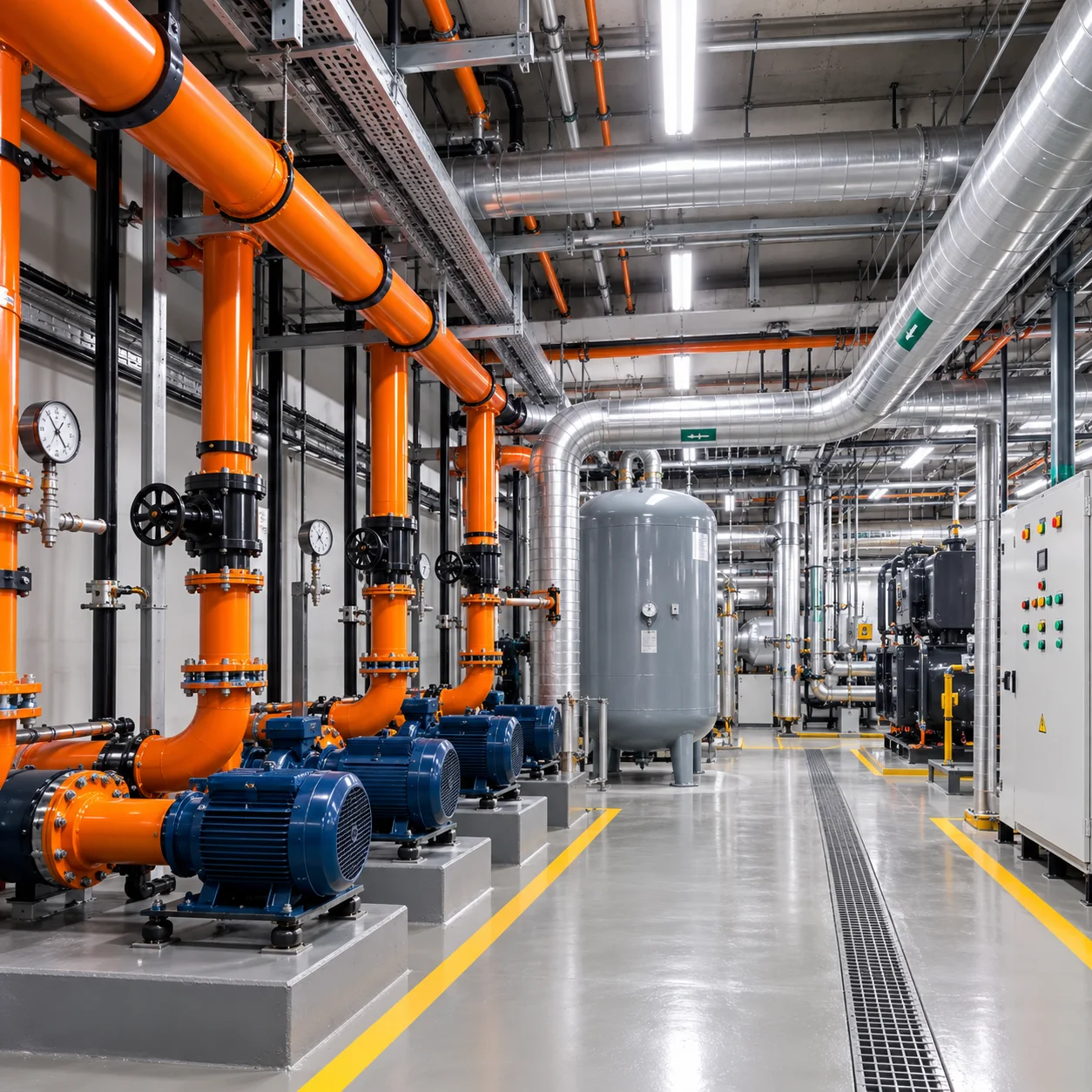
Depending on the type and size of a facility, a plant room may contain chillers, boilers, pumps, air handling units, electrical panels, transformers, water tanks, generators, fire pumps, and associated control systems.
Efficient plant room engineering ensures that critical building systems operate safely, reliably, and with minimum downtime.
Major Systems Found in a Plant Room
Plant rooms vary according to the requirements of a building. However, several important systems are commonly found in commercial, industrial, healthcare, hospitality, and large residential facilities.
1. HVAC Systems
HVAC systems are among the most important components of many plant rooms. Chillers, pumps, air handling units, cooling towers, and associated controls work together to provide comfortable indoor temperatures and maintain suitable indoor air quality.
2. Electrical Systems
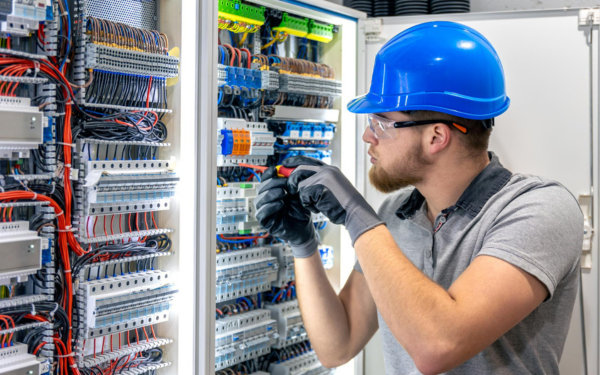
Electrical plant rooms may contain switchboards, distribution panels, transformers, generators, UPS systems, and other electrical equipment. Proper arrangement, ventilation, access, and maintenance are essential for safe and reliable power distribution.
3. Plumbing and Water Systems
Pumps, water tanks, pressure booster systems, filtration equipment, and water distribution systems may be installed within plant rooms. Proper pipe routing and accessibility are important for inspection and maintenance.
4. Fire Protection Systems
Fire pump rooms contain critical fire protection equipment such as fire pumps, controllers, valves, pressure gauges, and associated pipework. These systems require regular inspection, testing, and maintenance.
Importance of Effective Plant Room Design
Plant room design is not simply about providing space for equipment. Engineers must carefully consider equipment capacity, accessibility, ventilation, noise, vibration, safety, drainage, and future maintenance requirements.
- Efficient arrangement of equipment
- Safe access for maintenance personnel
- Proper ventilation and heat removal
- Adequate equipment clearance
- Efficient pipe and cable routing
- Noise and vibration control
- Proper drainage and water management
- Provision for equipment replacement
- Easy access for inspection and servicing
Plant Room Engineering and Energy Efficiency
Energy efficiency has become an important consideration in commercial and industrial facilities. Poorly designed or maintained plant rooms can result in unnecessary energy consumption and higher operating costs.
Engineers can improve plant room efficiency by selecting appropriately sized equipment, using variable speed drives, installing efficient pumps and motors, optimizing HVAC controls, and implementing automated monitoring systems.
Regular monitoring of energy consumption and equipment performance can also help facility teams identify inefficiencies and take corrective action before they become major operational problems.
Importance of Plant Room Maintenance
Regular maintenance is essential to ensure that plant room equipment operates safely and efficiently throughout its service life. A structured maintenance program can reduce unexpected breakdowns and improve system reliability.
Preventive Maintenance
Preventive maintenance involves scheduled inspections, cleaning, lubrication, testing, calibration, and replacement of components before equipment failure occurs.
Condition Monitoring
Modern facilities can use sensors and monitoring systems to track temperature, pressure, vibration, energy consumption, and other equipment parameters. This helps maintenance teams identify potential problems at an early stage.
Emergency Maintenance
Unexpected equipment failures can affect the operation of an entire building. A properly organized plant room with clear equipment identification and safe access can reduce troubleshooting and repair time.
Safety Considerations in Plant Rooms
Plant rooms contain powerful mechanical and electrical equipment, making safety a fundamental part of their design and operation.
- Clear and safe access routes
- Appropriate ventilation
- Electrical safety and protection
- Emergency lighting
- Fire detection and protection
- Proper equipment identification and labeling
- Safe equipment isolation procedures
- Suitable personal protective equipment
- Regular inspection and maintenance
Role of Plant Room Engineering in Facility Management
Plant room engineering and facility management work closely together. Facility management teams are responsible for keeping critical building systems operational, while engineering teams ensure that equipment is properly designed, maintained, and optimized.
Effective coordination between engineering and facility management teams can reduce downtime, improve occupant comfort, control operating costs, and extend equipment life.
Smart Technology in Plant Room Management
Building Management Systems and Internet of Things technologies are transforming the way plant rooms are monitored and operated. Sensors can provide real-time information about equipment performance and allow facility teams to monitor important parameters.
Data-driven maintenance can help identify abnormal equipment behavior, optimize operating schedules, improve energy efficiency, and support predictive maintenance strategies.
Benefits of Professional Plant Room Engineering
- Improved equipment reliability
- Reduced energy consumption
- Lower maintenance costs
- Improved workplace and occupant safety
- Longer equipment lifespan
- Reduced unexpected downtime
- Better operational control
- Improved overall building performance
Future of Plant Room Engineering
The future of plant room engineering is increasingly focused on energy efficiency, automation, sustainability, and intelligent monitoring. Advanced sensors, smart controls, digital monitoring, and predictive maintenance technologies can help organizations operate their facilities more efficiently.
As buildings become smarter and more energy conscious, plant rooms will continue to play an important role in improving the overall performance and sustainability of building infrastructure.
Conclusion
Plant room engineering is a fundamental component of modern building infrastructure. From HVAC and electrical systems to plumbing and fire protection, plant rooms contain many of the systems that keep buildings safe, comfortable, and operational.
Proper engineering, preventive maintenance, energy monitoring, and modern building management technologies can improve plant performance while reducing operational costs.
Investing in professional plant room engineering ultimately contributes to safer facilities, greater energy efficiency, improved reliability, and long-term asset performance.